



A good mountain hike can offer many outstanding benefits to the hikers. It is an incredible exercise one can undertake with friends, family members, or strangers. Besides, it can also offer an opportunity to interact, bond, medicate, rejuvenate, enjoy adventure, or create invaluable memories. Some people rarely spend time in nature, breathing fresh air and seeing different types of trees, birds, and insects. Therefore, hiking can provide the opportunity to spend time in nature, manage stress, and work out. However, despite these benefits, hiking can be risky, especially for inexperienced individuals. Therefore, no hike is worth taking without an experienced guide and adequate preparation. This article will highlight everything inexperienced hikers need to know to get started.
What Should Hikers Pack for a Mountain Hike?
Anyone serious about hiking should consider having a backpack. However, inexperienced hikers often carry many things they don’t use. Generally, the bag should only contain the essential tools, equipment, and supplies that might be handy on the mountain. For example, they should carry quality Medical Kits with first aid supplies because they will be hiking far away from any medical facility. If anyone is injured or develops a medical complication, the other hikers can use the supplies to address the problem before they walk home or call emergency assistance. But what are other important things that should be included in the backpack?
The backpack should contain enough food and water to stay full and hydrated during the hike. It is advisable to have different types of high-energy foods and snacks packed in a clean, portable container. Experienced hikers often include fruits and protein bars that can provide the much-needed nutrients to push through the tough day in the jungle.
Some sad news for beginners is that phones might not work when hiking on a mountain far from civilization. Therefore, they need communication gadgets, navigation devices, or tools such as compasses, maps, or GPS systems. Some hikers consider other equipment, such as a sleeping bag, which might be helpful if they cannot walk back home. Other important things include a lighter, knife, machete (to cut through bushes), and weapons for security reasons. Therefore, it is advisable to research and know what is needed for a great hiking experience.
What Is the Best Clothing for Mountain Hiking?
Adventure, uncertainty, and anticipation are what make hiking enjoyable. It could be more fun for new hikers because they typically don’t know what to expect. Choosing suitable clothing can help hikers avoid anxiety regardless of the terrain, weather, or adventure. Hikers should combine different types of clothing, including light pieces for hot days and lightweight coats to keep them warm during a popup shower or drizzle. With the proper attire, hikers can spend hours in the wild without worrying about the hot day turning into a cold night or unexpected rain.
Footwear is as important as clothing hikers choose for the special day. Therefore, they should invest in quality hiking boots and lightweight trail shoes, depending on the terrain, goal, hiking pace, and weather. Fortunately, quality hiking boots come with sturdy soles that maintain traction on rocky, sandy, slippery, or wet surfaces. The shoes should fit well with a pair of waterproof socks and prevent water, sand, and mud from penetrating. Since hikers rely on their feet for a great experience, comfortable shoes and socks are worth everything.
How Should Hikers Train for the Special Day?
Mountain hiking is associated with exercise, rough terrain, adventure, and beautiful scenery. However, to enjoy all these, hikers need to be physically fit to walk through varying landscapes comfortably, climb rocks, and walk for hours without sustaining injuries. Therefore, hikers should start exercising long before their planned hike to strengthen their core, enhance their leg muscles, and build stability. So how should they prepare for hiking? They can swim, jog, ride bicycles, and run. If the weather does not support outdoor workouts, they can consider indoor workouts using treadmills, spin bikes, and other home gym equipment. Regular exercise before hiking will help enhance core strength, improve the heart and lungs, build stamina, and enhance lower body strength for the hike.
What Goals Should Beginners Expect to Achieve Through Mountain Hiking?
People hike for different reasons, and beginners should not join others without realistic goals and expectations. The first common reason for hiking is to exercise and build muscle strength. Others engage in outdoor activities to refresh their mind, build friendships with other hikers, burn calories, manage weight, interact with nature, or start a long-term journey for adventure. Therefore, it is crucial to choose the hiking train and destination based on personal goals and objectives. For example, those who want to exercise should focus on mountains with challenging trails and different landscapes.
Hikers who are interested in nature or refreshing their minds should choose mountains with different features and vegetation. Those interested in photography should consider carrying cameras to capture attractive sceneries and breathtaking landscapes. Therefore, beginners should research and consult experienced hikers to assess the suitability of their target mountain depending on their personal goals.
Top Hiking Tips to Stay Safe During a Mountain Hike
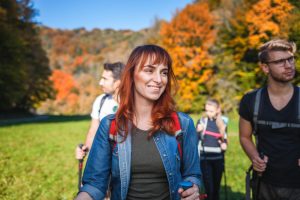

Beginners should gather hiking tips from experienced hikers to avoid mistakes and enhance the overall experience. Simple safety tips can help inexperienced hikers get the most out of their treks and improve safety. This section shares the best tips beginners should consider during a mountain hike.
- Check the Weather Forecast, But Prepare for Other Possible Outcomes
Inexperienced hikers often get geared up for the hiking trip and rarely pay attention to the weather forecast. However, paying attention to the weather forecast helps one pack relevant things and choose the best clothing for the day. It is also advisable to check the next day’s weather since unexpected incidents could make hikers decide to spend the night in the mountains and return the next day. If hiking during the cold season, consider the freezing levels in the mountains and the valleys. Some mountains have snow even during summer, explaining why hikers should think beyond the weather forecasts. The weather at the mountain might seem different from the typical weather at home. Therefore, hikers should always be prepared for all possible outcomes regardless of the forecasts.
- Learn Risk Mitigation
Whether certified or not, a short course on safety and first aid could come in handy during a mountain hike. Search for a first aid course near me to stay prepared and enjoy your mountain hiking safely. Well-prepared hikers are unlikely to get lost, injured, stuck, or attacked by wild animals. Although it is good to be optimistic, hikers should be prepared for every possible scenario and take proactive measures to stay safe. They should learn how to treat sprained uncle, bandage wounds, perform CPR, deal with allergies, and respond to animal attacks. These skills increase the chances of survival for each one of the hiking group members when the unexpected happens.
- Stay Hydrated
Hikers are likely to drink a lot of water during the hot season. However, they are unlikely to drink water during fall or when the temperatures are relatively low. It is important to stay hydrated regardless of the season because hiking is demanding and physically strenuous. While drinking cold water in the cold season is unpleasant, water is important when hiking, especially in challenging terrains. It is best to carry warm water in a thermos flask if it is too cold.
- Hire a Competent Hiking Guide
Inexperienced hikers might gather incredible tips online, but nothing can replace the skills and experience of a certified hiking guide. These professionals have gathered invaluable tips and skills over the years and can plan or strategize better when hiking. By involving a seasoned guide, new hikers can tap into an ocean of knowledge about nature, enhancing safety and making the experience memorable. Hiking guides also have the equipment needed to ensure the group stays safe from wild animals and is better prepared to address any challenges that may arise. They can also recommend fun activities and attractive sceneries and introduce new, unique ideas to make the activity memorable.
- Inform the Right People About the Hike
Everyone wants autonomy and freedom to do what they want without informing others. However, it is advisable to notify friends, family, and authorities about a mountain hike. If there is an emergency, bad weather, or unexpected challenges, the people can quickly locate the hikers and provide the relevant assistance.
- Understand Human Limits
Some people want to achieve great things on their first hike. However, planning more activities than human limits could lead to injuries and long-term health challenges. Therefore, beginners should start with short hikes with flat terrains. They can introduce challenging terrains and bad weather as they gather more hiking skills and experience. Footwear and backpacks are the two primary sources of problems for inexperienced hikers. Therefore, they should choose comfortable boots and lightweight backpacks that are within their limits.
These simple tips can be handy when hiking. Remember that effective planning, research, and experienced guides can enhance the hiking experience further. Therefore, take the relevant safety measures and remember these tips for adventurous and happy hiking.


