



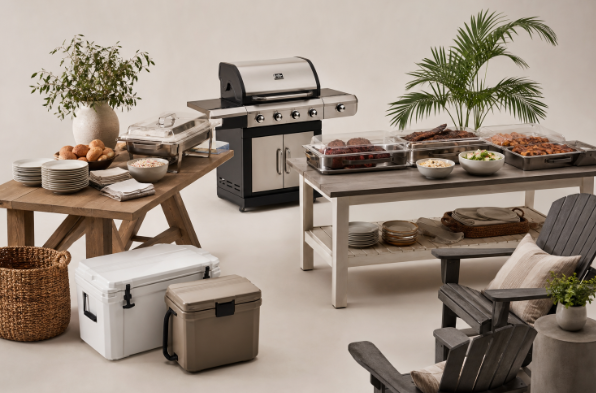
A great Fort Collins barbecue feels relaxed for guests because the host has handled the details before anyone arrives. Whether you are ordering from a trusted BBQ Fort Collins option or cooking in your own backyard, the essentials are the same: know your crowd, choose a workable location, keep food safe, and make the layout easy to use.
Planning early matters even for a casual event. A meal for 12 close friends has very different needs than a graduation party, office lunch, or neighborhood gathering for 75 people. Use this guide to create a generous, organized barbecue without turning the day into a complicated production.
Start With The Guest List
Your head count shapes nearly every decision, including food quantities, seating, drink coolers, parking, and cleanup supplies. Ask for RSVPs, note adults and children separately, and invite guests to mention dietary restrictions early. Then allow a modest buffer, especially for open-house-style gatherings.
A useful starting formula is simple: plan one seat for roughly 70 to 80 percent of guests when people will mingle, one dinner plate and one drink cup per person, plus extras, and enough trash and recycling capacity for the full group. For food, increase quantities when the barbecue replaces a full meal or runs longer than three hours.
Choose The Right Setting
Select the site before finalizing the guest list. The best location is not necessarily the biggest one. It is the one that provides enough room for food, seating, movement, restrooms, and a weather backup.
- Backyard: Personal, flexible, and convenient for a small to medium group, but parking and restroom access can become limits.
- Neighborhood common area: Helpful for shared gatherings, though homeowner association or property rules may apply.
- Public park: Offers room for children and lawn games, but reservations, cooking restrictions, and permits should be confirmed.
- Community venue: Often provides restrooms and weather protection, though rental costs and time limits may be higher.
For fewer than 25 guests, the home may be simplest. For a larger group, prioritize parking, shade, accessible paths, nearby restrooms, and enough space to keep cooking away from the serving and seating areas.
Check Local Rules And Permits
Review local requirements before sending invitations, especially if the event uses public property, affects parking, includes alcohol, amplified music, a food truck, tents, or inflatables. The City of Fort Collins states that events on city streets, sidewalks, parks, or natural areas require a special event permit. In contrast, private events on private property generally do not need one if they do not close streets or affect traffic flow. Review the current Fort Collins special event permit requirements well ahead of the event date.
Park gatherings may also require a shelter or field reservation. Confirm site-specific rules, available amenities, and reservation details through the city’s park shelter and field reservation information. Requirements can change, so check again shortly before the event.
Build A Simple Menu
Variety is valuable, but too many options slow service and increase waste. Choose one primary protein, one alternative protein, or a vegetarian main, three to four sides, bread, sauces, and an easy dessert.
Practical Portion Guide
- Adults: Plan about 6 to 8 ounces of cooked meat total when barbecue is the main meal.
- Children: Plan about half an adult portion, with familiar sides available.
- Sides: Prepare about 4 to 6 ounces per guest for each side, while making more of popular staples such as beans or potato salad.
- Drinks: Plan at least two beverages per person for a shorter event, plus plenty of water.
- Several mains: Reduce each protein slightly, but keep the combined total close to the usual meat portion.
Serve vegetarian items with separate utensils, and place sauces, pickles, onions, and spice options on the side so guests can build their own plate.
Plan For Food Safety
Outdoor meals need a deliberate food-safety plan. Keep raw meat separated from ready-to-eat dishes, use different cutting boards and tongs, and bring an instant-read thermometer. Hold cold foods in coolers until needed, keep hot foods in insulated containers, and cover dishes between servings.
- Cook food thoroughly and check temperatures rather than relying on appearance.
- Put out smaller serving dishes and replace them as needed.
- Keep cold foods chilled and hot foods hot.
- Do not leave perishable foods outdoors for extended periods.
- Refrigerate leftovers promptly in shallow containers.
Create A Smooth Serving Line
A thoughtful layout prevents a crowd around one table. Set plates first, followed by mains, sides, condiments, utensils, and napkins. Keep drinks away from the main food line so guests can refill without blocking others, and place dessert on a separate table when possible.
For larger groups, use two identical serving lines. Label dishes containing common allergens, provide a visible hand-sanitizer station, and place trash, recycling, and used-plate bins near the exit from the dining area. Keep clear paths between seating, food, restrooms, and activities.
Keep Guests Comfortable
Fort Collins weather can mean strong sun, wind, sudden rain, or cool evenings. Provide shade during the afternoon, accessible water stations, weighted tents, and blankets or patio heaters when the gathering continues after sunset. Have an indoor option, covered area, or postponement plan ready before the first guest arrives.
Comfort also means accessibility. Avoid narrow pathways, provide stable seating with backs when possible, keep walkways well lit, and ensure guests with mobility needs can reach food, restrooms, and seating without crossing uneven ground.
Add Low-Stress Activities
Choose activities that encourage conversation rather than require supervision. Lawn games, a simple photo corner, local trivia, a recipe-card table, or a build-your-own dessert station work well. For student groups, add casual team games. For office meals, use light conversation prompts. For family parties, set up a children’s activity area away from the grill and serving tables.
Use A Day-Of Checklist
One Day Before
- Confirm the guest count, weather forecast, reservations, and parking plan.
- Prepare sauces, cold sides, desserts, labels, and activity supplies.
- Charge lights, speakers, and phones.
Two Hours Before
- Set up tables, chairs, shade, coolers, hand sanitizer, and waste stations.
- Arrange serving tools, labels, drinks, and extra napkins.
- Keep games away from food preparation and cooking areas.
After The Event
- Store leftovers safely, remove waste, and clean cooking equipment.
- Walk the site for litter and forgotten items.
- Make notes about what worked well for the next gathering.
Common Questions
How Much Food Should Be Planned Per Guest?
Base portions on guest ages, event length, appetizers, and the number of mains. Prepare extra of the most popular dishes, not excessive amounts of each.
Should A Barbecue Be Held At Home Or In A Park?
Home is often easier for a smaller group and offers better weather backup. A park can suit a larger crowd, provided you reserve the site and verify rules early.
What If The Weather Changes?
Use one communication channel for updates and make the decision early. Move indoors, shift the start time, use a covered location, or postpone when conditions make the event uncomfortable or unsafe.
Conclusion
A crowd-friendly barbecue comes down to practical preparation. Build the guest list first, choose a site that supports the group, simplify the menu, maintain proper food temperatures, and designate clear areas for serving, seating, and cleanup. With those details covered, your Fort Collins gathering can feel easy, welcoming, and memorable.


