

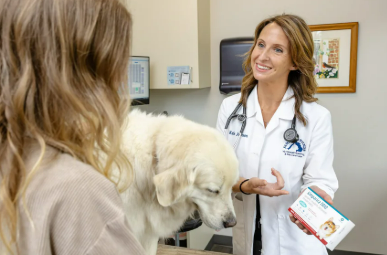
Preventive care starts long before your pet shows pain. Today, animal hospitals carry more weight in that early protection. You see it in routine visits, quick checks, and simple tests that catch problems before they grow. You also see it in clear advice about food, exercise, vaccines, and aging. A Queen West Toronto veterinarian, for example, now acts as both healer and guide. That role can protect your pet’s body and also calm your own fear. Regular contact with an animal hospital builds a record of your pet’s health. Then changes stand out faster. Early action often means shorter treatment, less stress, and lower cost. This blog explains how animal hospitals now support preventive health in three ways. You will see what to expect, what to ask, and how to use these services to keep your pet strong at every stage of life.
Why preventive health for pets now matters more
Pets now live longer. That longer life can bring joint pain, heart trouble, cancer, and behavior change. You cannot stop every disease. Yet you can lower risk and slow problems when you act early.
Public guidance backs this. The American Veterinary Medical Association explains that regular wellness visits give your pet a better chance at a longer and healthier life.
In past years you might visit a clinic only when your pet limped or stopped eating. Now animal hospitals build care around prevention. You bring your pet in when they seem fine, so you can keep them that way.
Role one: routine checkups that catch quiet problems
Routine exams are the base of preventive health. During a visit, the care team looks, listens, and asks you direct questions. The goal is to notice small shifts before they explode into crisis.
At a typical preventive visit, staff may
- Check weight and body condition
- Listen to the heart and lungs
- Look at eyes, ears, teeth, and skin
- Review behavior, eating, and bathroom habits
- Update vaccines and parasite control
These simple steps can reveal heart disease, diabetes, kidney trouble, dental infection, and anxiety. You might not see the early signs at home. The team can.
The American Animal Hospital Association states that dogs and cats should have wellness exams at least once a year. Older pets and those with chronic disease often need visits more often. That schedule lets the hospital spot change over time and adjust care.
Role two: tests and screenings that guide early action
Animal hospitals now use tests that were once rare. These tests give a picture of what is happening inside the body before your pet shows clear signs.
Common screenings include
- Blood work for organ function and infection
- Urine tests for kidney and bladder health
- Fecal tests for worms and other parasites
- Heartworm and tick disease checks
- Dental x rays to look under the gum line
These tools help you act early. You can change food, adjust medicine, clean teeth, or treat infection while it is still small. That can save your pet from pain and you from high costs later.
Role three: clear guidance on daily care at home
Preventive health does not stop at the hospital door. What you do at home every day shapes your pet’s future. Animal hospitals now spend more visit time on teaching and planning.
You can expect support on three main topics.
- Food and weight. Staff help you pick food, set portions, and track weight.
- Movement and play. You get advice on walks, toys, and rest that fit age and breed.
- Behavior and stress. You learn how to handle fear, noise, and changes at home.
This guidance is not guesswork. The Centers for Disease Control and Prevention also highlights that pet health links closely to human health and safety. That includes parasite control, bite prevention, and clean handling of pet waste.
How preventive care compares with emergency care
Many pet owners still wait for a crisis before calling. That delay can cost more money and more suffering. The table below shows key differences.
| Type of care | When it happens | Common examples | Impact on your pet | Typical cost pattern
|
|---|---|---|---|---|
| Preventive care | On a set schedule while your pet seems healthy | Yearly exams, vaccines, parasite checks, dental cleanings | Finds problems early and slows disease | Smaller, more predictable bills over time |
| Emergency care | Sudden visit after clear signs of distress | Accidents, severe vomiting, breathing trouble, collapse | High risk of pain, lasting damage, or death | Large, sudden bills that create financial strain |
You cannot prevent every emergency. Yet strong preventive care can cut the risk and may soften the blow when emergency strikes.
What to expect at a modern animal hospital
Animal hospitals now act as health partners across your pet’s life. You can expect three core services.
- Life stage plans. Care plans change for puppies or kittens, adult pets, and seniors.
- Team based support. Veterinarians, nurses, and support staff share tasks and keep records clear.
- Follow up contact. Staff may use calls, email, or texts to remind you of tests, refills, or rechecks.
This structure helps you stay on track even when life feels busy or heavy. The hospital holds the long view so you can focus on daily care.
How you can use your animal hospital more fully
You do not need to wait for the team to lead every step. You can use the hospital more fully by
- Booking wellness visits on a set month each year
- Bringing a list of questions and concerns to every visit
- Asking what screenings your pet needs this year and why
- Requesting a written plan for food, weight, and exercise
- Calling early when you notice any change that lasts more than a few days
Each visit is a chance to protect your pet’s future, not only to treat today’s problem.
Closing thoughts
Preventive health is not a luxury. It is a basic act of care that protects your pet and your family. Animal hospitals now stand at the center of that effort. They watch for silent threats, guide daily choices, and respond fast when trouble appears.
You cannot control every outcome. Yet you can choose to act early, ask hard questions, and work with your animal hospital as a steady partner. That choice can spare your pet from avoidable pain and give you more peaceful years together.
