



Introduction
In today’s high-tech society, continuous power is imperative for businesses, data centers, health care facilities and mission critical environments. Battery back up is one of the vital parts for any trusted Uninterruptible Power Supply (UPS) system. Knowing the science behind UPS battery backup (แบตเตอรี่สำรองไฟ) is important for companies to understand, because it teaches them why it’s so critical to select the correct (quality) batteries in order to keep sensitive devices safe and minimize business disruption.
How Does a Battery UPS Work
A UPS acts as an intermediary between the primary power source and sensitive electronic equipment. With Input power stable, the UPS conditions the power and maintains * แบตเตอรี่สำรองไฟ * at full charge. At the instant of a power failure or voltage fluctuation, battery power is available immediately—within milliseconds—to connected systems with zero-transfer time.
It owes this smooth transition to the integrated presence of three main elements:
1. Rectifier and Charger Unit
It turns AC (Alternating Current) electricity into DC (Direct Current) which is what charges the battery. A good charger will keep the battery at its prime, especially during those times you’re not using it, and avoid problems like overcharging or heat damage.
2. UPS Inverter
In an outage, the inverter converts the stored DC power of the *แบตเตอรี่สำรองไฟ * back into AC. The inverter also stabilizes the output voltage and frequency, shielding equipment from spikes, noise or harmonic distortion.
3. Battery System
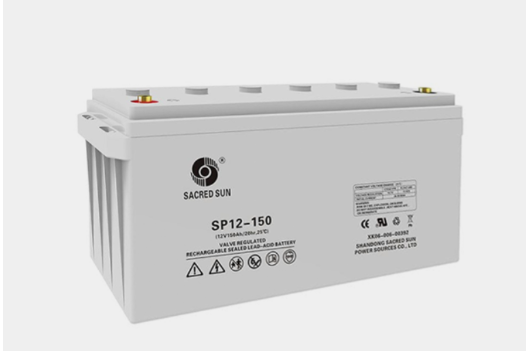
The UPS is the heart of battery. It tells you how long life-saving systems are likely to function during a power cut. A well-engineered UPS battery also brings with it reliability, fast response and dependable performance through thousands of charge/discharge cycles.
Why UPS Battery Backup Is A Necessity For Critical Systems
The technology of UPS battery backup has close relationship with the safety of operation and data protection. In some sectors, including healthcare and industrial production, a split-second delay can prove to be catastrophic.
1. Data Loss Protection And System Failures
Machine Translation IT system, server and network device need steady power. If power failure occurred suddenly without แบตเตอรี่สำรองไฟ got the chance to work, can cause files corruption lost data and hardware damage.
2. Safety In Healthcare And Industry
Hospitals depend on power-demanding devices like life support equipment, diagnostic instrumentation and digital monitoring systems. With a dependable battery backup for your UPS, you can enable these machines to remain operational even in the event of a disaster.
Likewise, production cycles rely today on automation, sensors and control systems that cannot unexpectedly break. A UPS is a barrier between power problems that can cause damage and downtime.
3. Avoiding Financial Loss and Downtime
Businesses lose money when they experience downtime — often thousands of dollars a minute. Without a proper battery backup system in place, a sudden blackout, even just for a minute or two, can mean service disruptions, decline in customer satisfaction as well as productivity.
4. Maintaining Clean/Solid Power Delivery
Not all the power coming from the grid is clean. Electronics can be affected by overvoltage transients and noise resulting in lost data, down time and unnecessary repair costs. UPS batteries offer an efficient power supply which protects the hardware against damaging power conditions.
Types of Battery Technologies in UPS Systems
There are different types of battery technologies that UPS systems depend on, and each one has their own set of characteristics. Businesses can make the best choice for their needs when they understand how these batteries work.
1. Valve-Regulated Lead Acid (VRLA)
VRLA Lead:Aside from its low cost, the VRLA battery can be sealed and requires no maintenance. Good power density and suitable for small to medium size UPS installations.
2. Lithium-Ion Batteries
The idea of lithium-ion UPS batteries are being accepted more and more because they can provide a longer life span, lighter weight, quicker charging and better tolerance to temperature. While they cost more in the short-term, they have a higher return on investment over time.
3. Flooded Lead Acid (FLA) Batteries
These are massive batteries and they are used for very big industrial UPS systems. These have long life but they are expensive and need frequent maintenance, including environmental control.
The Key Factors That Impact UPS Battery Performance
A number of scientific and environmental factors influence the performance of a แบตเตอรี่สำรองไฟ:
1. Temperature Sensitivity
Batteries heats up the chemical reactions inside them, higher the battery temperature shortens its life span. The majority of batteries work best at 20-25°C.
2. Depth of Discharge (DoD)
Battery life deteriorates with deep discharges on a regular basis. UPS’s are built to cycle through shallow discharge cycles in order to increase battery life.
3. Charging Rate
The charger needs to be a clean charge source. Both overcharging and undercharging can cause a battery to wear out prematurely.
4. Battery Chemistry and Quality
Higher quality materials and better manufacturing techniques increase the reliability and cycle life.
The Importance Of Picking The Right UPS Battery?
Choosing the best UPS battery is an important part of ensuring energy stability when things go wrong. A robust แบตเตอรื่สำรองไฟ ensures:
- Faster failover time during outages
- More efficient and less loss in energy
- Extra runtime for critical applications
- More competitive safeguard for the delicate electronics
- Reduced cost for replacement and maintenance
An improper battery, conversely, can diminish the integrity of the UPS system and leave vital operations vulnerable.
Conclusion: The Significance of Trusted UPS Battery Backup
Knowing some of the science behind UPS battery technology, it is easy to see how critical systems rely on backup power supplies for protection from outages and power related events. Used in businesses, hospitals, data centers and industrial applications all over the world, not only is a trusted power supply the best backup power solution but it also interprets to substantial savings over time. Choosing the right UPS battery is not only a technical but also strategic decision—providing years of long-lasting reliability and business continuity in an unpredictable power system.


