

You want your pet to stay with you for as many years as possible. That does not happen by luck. It happens when you follow a clear plan for routine care. A London West veterinarian sees daily how small health steps add up to longer life. Simple habits like checkups, vaccines, clean teeth, and weight control protect your pet from slow and quiet problems. Many diseases start without clear signs. Regular visits catch them early, when treatment works better and costs less. Good care also reduces pain, stress, and sudden emergencies. Each year of steady care can mean extra years of shared walks, play, and rest at home. This blog shows five direct ways that general veterinary care builds pet longevity. You will see what to ask for, what to watch at home, and when to act fast. Your choices today shape your pet’s tomorrow.
1. Routine Exams Catch Hidden Disease Early
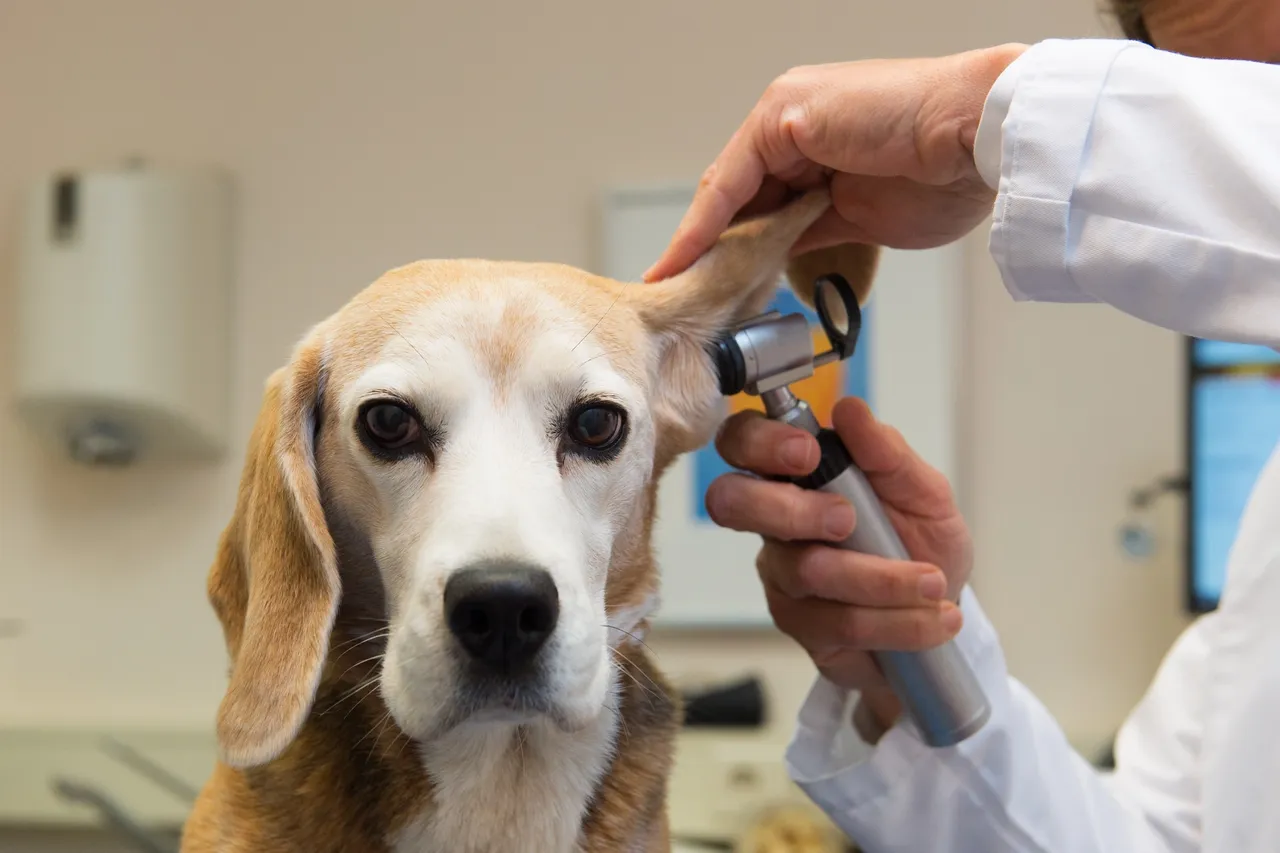
Your pet cannot tell you when something feels wrong. You see changes in eating, play, or mood, but many problems stay quiet until they are severe. Routine exams give your veterinarian a chance to spot disease before it harms your pet’s body.
During a yearly or twice yearly exam, your veterinarian will usually:
- Check heart, lungs, eyes, ears, teeth, skin, and joints
- Review weight, diet, and behavior changes
- Order blood or urine tests based on age and risk
Early findings can point to kidney disease, diabetes, arthritis, heart disease, or cancer. These often start without clear signs at home. The American Veterinary Medical Association advises regular wellness visits for this reason. Quick action after an early change can slow disease. That can add months or years to your pet’s life and can avoid sudden crises that cause fear and guilt.
2. Vaccines and Parasite Control Prevent Deadly Infection
Some infections kill fast. Others weaken your pet over time. General veterinary care uses vaccines and parasite control to block these threats before they reach your home.
Core vaccines protect dogs and cats from diseases like rabies, distemper, and parvovirus. These viruses can cause seizures, bleeding, and death. Local laws also require rabies vaccines in many places. Your veterinarian sets a vaccine schedule based on age, lifestyle, and risk. That schedule protects your pet and also protects your family.
Parasite control targets:
- Fleas that cause skin infection and blood loss
- Ticks that spread Lyme and other diseases
- Heartworms that damage the heart and lungs
- Intestinal worms that drain nutrients and energy
According to the Centers for Disease Control and Prevention, some parasites also pass from pets to people. Regular prevention keeps your pet stronger, keeps your home safer, and reduces slow damage that shortens life.
3. Weight Control and Nutrition Protect Organs and Joints
Extra weight shortens pet lives. It strains the heart, lungs, liver, and joints. It also raises the risk of diabetes and some cancers. Many owners do not see that their pet is overweight. Fur can hide fat. Slow weight gain is easy to miss.
General veterinary care includes honest talks about weight. Your veterinarian will:
- Score body condition by look and touch
- Estimate an ideal weight
- Suggest a feeding plan and treat limits
Small changes matter. A few pounds lost in a dog or cat can mean less pain and more years. Proper nutrition also supports immune function and muscle strength. That helps older pets stay mobile and alert.
Estimated Effect of Excess Weight on Pet Lifespan
| Pet Type | Weight Status | Average Change in Lifespan
|
|---|---|---|
| Dog | At ideal weight | Baseline lifespan |
| Dog | Overweight or obese | Up to 2 years shorter |
| Cat | At ideal weight | Baseline lifespan |
| Cat | Overweight or obese | About 1 to 2 years shorter |
These estimates come from long term studies that compare lean pets with heavier pets. You cannot change your pet’s genes. You can change what goes in the bowl.
4. Dental Care Reduces Pain and Organ Damage
Bad breath is not normal. It is often a sign of dental disease. Bacteria under the gum line cause infection and tooth loss. Those bacteria can also enter the bloodstream and affect the heart, liver, and kidneys. That slow damage can cut life short.
General veterinary care includes:
- Regular mouth checks at wellness visits
- Advice on tooth brushing and dental treats
- Professional cleanings when needed
After dental treatment, many owners report that their pet acts younger. The pet eats with more comfort, plays more, and sleeps better. Less pain and less infection mean a stronger body that can age with more grace.
5. Behavior Help and Senior Care Improve Quality of Life
Longevity is not only about how long your pet lives. It is also about how your pet lives. Fear, confusion, and pain wear down the spirit. General veterinary care pays attention to behavior and aging changes that many owners accept as “just getting old.”
Your veterinarian can help with:
- Anxiety, noise fear, and aggression
- House soiling and litter box changes
- Night restlessness and confusion in older pets
- Joint pain and stiffness that limit movement
Senior care plans may include more frequent visits, joint support, pain control, and home changes to prevent falls. These steps keep your pet active and engaged. That reduces the risk of early euthanasia due to behavior or comfort issues that have solutions.
Putting It All Together
General veterinary care is not one single visit. It is a steady partnership through your pet’s life. Routine exams catch disease early. Vaccines and parasite control prevent deadly infection. Weight control and nutrition protect organs and joints. Dental care reduces pain and organ strain. Behavior and senior care support your pet’s mind and comfort.
You can start now with three clear steps.
- Schedule a wellness exam and bring your questions
- Ask for a written plan for vaccines, parasite control, and dental care
- Work with your veterinarian on a weight and activity goal
Your pet depends on you for every choice. Regular care may feel routine. It is not. It is a quiet, steady promise that you will guard your pet’s health so you can share more years together.
