

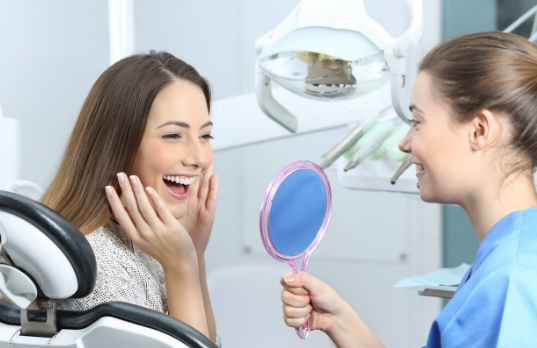
Smiles affect how you see yourself and how others see you. As a parent, you want your teen to feel strong and sure at school, in photos, and in every hard moment. You may also hide your own teeth in family pictures or at work. Crooked, stained, or chipped teeth can eat away at confidence. They can turn simple moments into tense ones. Cosmetic dentistry offers clear options that fix these problems. It can straighten, brighten, and reshape teeth in ways that look natural. A trusted dental office in Plymouth can guide you and your teen through safe, step by step changes. These changes can support social life, school events, and job talks. They can ease worry and help you both smile without holding back.
Why your smile shapes how you feel
Your mouth is one of the first things people notice. Teeth that you feel proud of can help you speak up, laugh, and join in. Teeth that you feel ashamed of can make you pull back. You may cover your mouth or avoid eye contact. Your teen may refuse photos or skip events.
Research supports this link. The National Institute of Dental and Craniofacial Research shows that untreated tooth problems are common and affect daily life. Pain and damage can lead to missed school, missed work, and quiet fear. Even when teeth do not hurt, their look still matters. You and your teen live in a world of selfies, video calls, and social media. A smile that feels wrong can bring shame every day.
Cosmetic dentistry aims to change how teeth look. It often improves function too. That mix can shift how you move through your day. It can support mental health and social strength.
Common cosmetic choices for teens and parents
You and your teen may need different types of care. Yet many options help both age groups. Here are some of the most common choices.
- Teeth whitening. Helps with stains from food, drinks, or past habits. Often used by older teens and adults.
- Orthodontic care such as clear aligners or braces. Helps straighten crowded or spaced teeth. Common for teens and also for parents who never had braces.
- Bonding. Uses tooth colored material to fix chips, cracks, or small gaps.
- Veneers. Thin shells placed on the front of teeth to change shape, color, or size.
- Tooth contouring. Gently reshapes teeth that look uneven or sharp.
- Implants or bridges. Replace missing teeth. These are more common for adults.
Each choice has its own time line, cost, and upkeep. A dentist can review what fits your mouth, health, and budget.
How cosmetic dentistry lifts teen confidence
The teen years can feel harsh. Teens judge themselves and feel judged by others. Teeth that stand out can become a target for teasing. They can also fuel social fear. A teen may feel that everyone is staring at their mouth.
Cosmetic care can help your teen:
- Smile in school photos without fear
- Speak in class without covering their mouth
- Join clubs, sports, or theater with less shame
- Apply for jobs or college with more calm
For example, clear aligners can straighten teeth while staying almost unseen. Bonding can fix a front tooth chip from a sports injury in one visit. Whitening can lighten stains from past medicine or trauma. These changes can feel small to others. Yet they can feel huge to your teen.
Care for teens must protect growth. The dentist will check jaw growth, tooth roots, and enamel strength before any treatment. You should ask every question. Your teen should feel heard in each step.
How cosmetic dentistry supports parents
Parents often put their own needs last. You may focus on your teen’s smile and ignore your own. Yet your teeth affect how you show up at work, with your partner, and in public.
Cosmetic care can help you:
- Speak at meetings without worry about stained or worn teeth
- Smile in family photos instead of standing in the back
- Eat with less pain if worn or missing teeth are fixed
- Model strong self care for your teen
Many adults grew up without access to regular dental care. Some carry fear from hard past visits. Modern dentistry uses better tools, better numbing, and clear steps. You can share your fears with your dentist. You can ask for slow pacing and clear explanations.
Comparing common cosmetic options
The table below shows a simple view of common choices for both parents and teens. Costs and times are general. Your own plan may differ.
| Treatment | Helps With | Often Used By | Typical Time | Ongoing Care
|
|---|---|---|---|---|
| Teeth whitening | Stains and dark color | Older teens and adults | One to three visits | Avoid stain foods. Touch ups as needed. |
| Clear aligners or braces | Crowding, gaps, bite issues | Teens and adults | One to three years | Retainers at night. Regular checks. |
| Bonding | Chips, cracks, small gaps | Teens and adults | One visit | May need repair after some years. |
| Veneers | Shape, color, worn edges | Adults | Two to three visits | Good brushing. Avoid hard biting. |
| Implants | Missing teeth | Adults | Several months | Daily cleaning. Regular checks. |
Safety, trust, and honest talks
Cosmetic work should never hide health problems. Healthy gums and teeth are the base. The dentist will check for decay, gum disease, and grinding. These must be treated first. The Centers for Disease Control and Prevention explains how gum disease and tooth decay affect the whole body. Strong health supports any cosmetic plan.
Before any treatment you should expect:
- A review of your medical history and any medicines
- X rays or photos to show tooth and bone health
- A clear list of options with pros and cons
- Realistic results, not fake promises
You should ask about cost, time, and what happens if something breaks or hurts. Your teen should also ask questions. This builds trust. It also teaches your teen how to speak up in health settings.
Building a shared plan for your family
Cosmetic dentistry is not only about looks. It is about giving you and your teen more control. You can plan together.
- First, list what bothers you and what bothers your teen.
- Next, set shared goals such as “smile in this year’s school photo” or “speak at a work event without fear.”
- Finally, meet with your dentist to build a stepwise plan that fits time and money limits.
You do not need to fix everything at once. You can start small. You might whiten teeth this year. You might begin aligners next year. Each step can build courage. Each change can remind your teen that their feelings matter. It can also remind you that your needs matter.
A confident smile does not erase every hard thing. It does remove one heavy weight from daily life. With honest guidance and safe care, cosmetic dentistry can help both you and your teen move through the world with more calm and more strength.
