

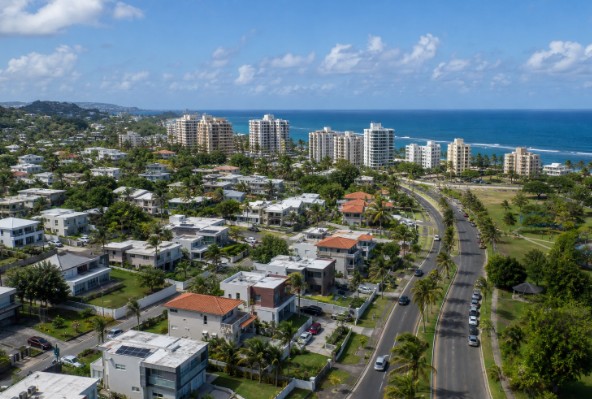
Buying a second home in Puerto Rico starts with more than choosing a beach view or a favorite town. The right community should support the way you plan to use the property, whether that means occasional escapes, extended seasonal stays, retirement, remote work, or carefully managed rental use.
For neighborhood-level guidance, a Puerto Rico luxury real estate agent can help put listings into a local context. Aire Real Estate is a Puerto Rico brokerage with home-search resources, property listings, and experience across areas including San Juan, Condado, Dorado Beach, Guaynabo, and Isla Verde. That local perspective can be valuable when comparing ownership costs, community rules, property condition, and the practical differences between nearby locations.
1. Define the Property’s Main Goal
Start by describing the job the property needs to do. A buyer visiting for two weeks each winter may prioritize airport access, a lock-and-leave condominium, and dependable nearby services. A household planning an eventual full-time move may place more weight on grocery stores, health care, schools, work access, and year-round community activity.
Write down how often you expect to visit, who will use the home, whether rental income is part of the plan, and how long you expect to own it. This short exercise helps prevent a common mistake: selecting a property that works beautifully for a vacation but poorly for everyday life.
2. Compare Location and Daily Access
A property can feel perfect during a relaxed weekend visit, but become inconvenient when every errand requires a long drive. Test travel times at different hours, including weekday mornings and evenings when possible. Also consider the route itself, not only the distance. Road conditions, hills, construction, traffic patterns, and parking can shape daily routines.
Compare These Practical Factors
- Travel time to the airport, medical care, pharmacies, supermarkets, and banks.
- Availability of restaurants, beaches, parks, marinas, golf, and cultural activities that match your interests.
- Internet and mobile service at the specific property, rather than assumptions based on the broader town.
- Walkability, sidewalks, lighting, and the ease of getting around without a car.
- Whether the area feels active throughout the year or changes substantially with visitor seasons.
San Juan metro neighborhoods can offer close access to dining, business districts, and services. Resort-oriented communities may emphasize amenities and a more self-contained experience. Eastern and western coastal areas can appeal to buyers seeking a different pace, but they should be evaluated based on the buyer’s personal travel, service, and maintenance needs.
3. Review the Full Cost of Ownership
The purchase price is only the opening number. Before comparing properties, estimate the annual cost of keeping each one. Include property taxes, insurance, condominium or homeowners association fees, utilities, security, landscaping, pool service, pest control, routine repairs, and professional management if the home will be rented or vacant for long periods.
Also ask about special assessments, membership requirements, and services covered by monthly fees. Divide projected yearly expenses by the number of nights you realistically expect to use the home. The result is not a reason to reject a property, but it is a useful way to compare the true personal cost of different communities.
4. Check Climate and Infrastructure Resilience
Resilience should be part of every Puerto Rico property search. Tropical systems can bring wind, heavy rain, flooding, high surf, and power interruptions. The hurricane hazards described by the National Weather Service are a reminder that storm preparation is relevant beyond the immediate shoreline, because heavy rain and access disruptions can affect inland locations as well.
Questions to Raise During Due Diligence
- Has the home experienced flooding, water intrusion, roof damage, or access problems?
- What is the age and condition of the roof, windows, drainage systems, retaining walls, and exterior surfaces?
- Are storm shutters, a generator, solar equipment, batteries, or a cistern allowed under community rules?
- What backup arrangements do owners use for water and electricity?
- Does the insurance quote match the property’s location, elevation, construction, and intended use?
Use the flood mapping tools maintained by FEMA as one starting point for research, then discuss the site, local drainage, insurance options, and flood history with qualified professionals. A map alone cannot replace an inspection or property-specific advice.
5. Study Lifestyle and Community Fit
Neighborhood character affects your experience long after closing. Visit during the day and evening, walk the surrounding blocks, listen for traffic and nightlife, and observe parking and shared spaces. If possible, return during a different season or ask residents and property managers about typical activity levels.
One buyer may enjoy a lively condominium near restaurants and the beach. Another may prefer a detached home with more privacy, outdoor space, and fewer nearby neighbors. Neither choice is inherently better. The important question is whether the setting fits your normal routines, not just your vacation mood.
6. Consider Rental and Resale Potential
If rental income is part of the plan, separate lifestyle appeal from business assumptions. Review condominium documents, association rules, local requirements, occupancy limits, parking, guest policies, and management availability before relying on projected revenue. Ask what type of traveler uses the area and whether demand may vary by season.
For resale, consider the future buyer pool. A well-located property with manageable operating costs and flexible appeal may attract more potential buyers than one with unusually restrictive rules, complicated upkeep, or high recurring expenses. No one can guarantee resale timing or value, but broad appeal is worth considering.
7. Build a Neighborhood Scorecard
Score each community from one to five, then assign greater weight to the factors that matter most to you. Keep notes after every visit so that first impressions do not overpower practical details.
- Access: Airports, health care, shopping, roads, parking, and internet.
- Budget: Purchase price, recurring costs, insurance, repairs, and fees.
- Resilience: Drainage, building condition, backup systems, and storm preparation.
- Lifestyle: Privacy, walkability, activity level, amenities, and nearby recreation.
- Rental fit: Rules, operations, competition, and suitability for guests.
- Resale fit: The property’s potential appeal to future owner-occupants or second-home buyers.
8. Ask Better Questions Before an Offer
Before committing, request written information whenever possible and verify significant claims through inspections, records, insurers, attorneys, and other qualified advisers. Useful questions include:
- Why is the owner selling, and how long has the home been available?
- What are the monthly and annual ownership costs?
- Are there pending assessments, disputes, or planned capital projects?
- Which repairs and upgrades have been completed, and when?
- What restrictions apply to rentals, pets, guests, renovations, and exterior improvements?
- What features could make the property harder to insure, maintain, or resell?
Make the Decision With Clear Priorities
The right Puerto Rico community is the one that fits your intended use, budget, daily needs, and comfort level with maintenance and risk. Compare properties with the same discipline you would use for any major purchase. When the neighborhood works as well as the home itself, a second home has a stronger chance of remaining useful, enjoyable, and practical for years to come.
