



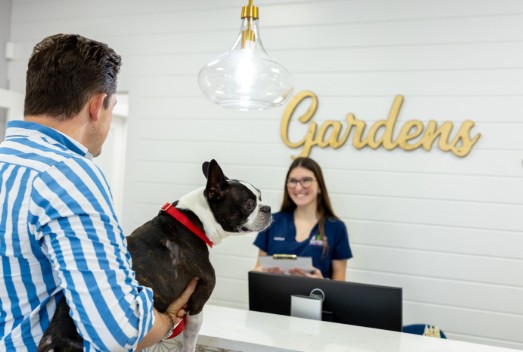
You might be noticing small changes at first. Your dog hesitates before climbing the stairs, or your cat sleeps a little more and seems less interested in play. Then, over time, those changes start to feel bigger. Appetite shifts. Accidents happen. Nights get restless. And suddenly, caring for an older pet can feel like trying to read a map in low light. You want to do the right thing, but it is not always clear what that is. That is when experienced Rancho Cucamonga veterinarians can help you make sense of those changes and support your pet’s comfort and health.
That is where The Role Of Animal Hospitals In Managing Senior Pet Care becomes so important. An animal hospital does more than treat illness after it appears. It helps you track age related changes early, manage pain, support mobility, watch for memory and behavior changes, and protect your pet’s comfort and quality of life. When senior pet care is handled with a plan, you are often able to trade fear and guesswork for steadier, more informed choices.
Why does senior pet care feel harder than you expected?
Aging rarely happens all at once. It comes in layers, which is part of what makes it hard. A pet may still greet you at the door and enjoy meals, yet also struggle with joint pain, hearing loss, or confusion. Because of this tension, you might wonder whether what you are seeing is normal aging or a sign that something needs medical attention.
That question matters. Older pets often hide discomfort well, and some signs look mild until they begin affecting daily life. Stiffness can point to arthritis. Drinking more water can suggest kidney or hormone concerns. Pacing at night or seeming lost in familiar rooms may be linked to cognitive decline. Cornell’s guidance on cognitive dysfunction syndrome shows how aging dogs can develop changes in memory, sleep, house training, and interaction, which can be deeply upsetting for families who do not realize what is happening.
So, where does that leave you? Usually, it means home care alone is not enough. Love matters, of course, but older pets often need monitoring, diagnostics, pain control, nutrition support, and regular reassessment. That is the quiet strength of an animal hospital. It gives you a place to sort symptoms, rule out bigger problems, and build a care plan that fits your pet’s age, health status, and daily routine.
How can an animal hospital support aging pets before a crisis happens?
Many people wait until something feels urgent. That is understandable, especially when changes seem gradual. But senior pet care management works best when it starts before a crisis. Routine exams can catch heart disease, dental pain, arthritis, weight loss, or organ changes earlier, when there are often more options to help.
Animal hospitals also help connect the dots between issues that seem unrelated. A pet that stops jumping may not just be “slowing down.” That pet may be dealing with pain, muscle loss, or nerve changes. A dog that seems grumpy may not have a behavior problem at all. Pain and confusion can change personality. In some cases, targeted rehabilitation can improve comfort and movement. Cornell’s sports medicine and rehabilitation services highlight how mobility support can help pets maintain function and strength as they age.
There is also growing attention on quality of life for older dogs. Cornell recently shared work focused on helping aging dogs stay active and comfortable through the Forever Young program for aging dogs, which reflects a bigger truth. Senior care is not only about adding time. It is about protecting the good parts of daily life for as long as possible.
What does home care handle well, and when does a veterinary hospital matter more?
You can do a lot at home. You know your pet’s habits better than anyone, and that insight matters. Still, there is a line between supportive home care and medical care that needs trained eyes and tools. A clear comparison can help.
| Care Need | What You Can Watch at Home | How an Animal Hospital Helps |
| Mobility changes | Notice limping, slower walks, trouble rising, reluctance to jump | Exam, pain assessment, X rays, rehab plan, medication adjustments |
| Behavior and memory shifts | Track pacing, sleep changes, confusion, house soiling | Rule out pain or illness, assess cognitive decline, build treatment plan |
| Appetite and weight changes | Monitor eating, drinking, body condition, vomiting, stool changes | Lab work, dental exam, imaging, diet guidance, disease screening |
| Comfort and quality of life | Watch interest in play, grooming, social contact, rest | Create a long term comfort plan and revisit it as needs change |
This is why care for senior pets often works best as a partnership. You bring the day to day picture. The veterinary team brings clinical judgment, testing, and treatment options. Together, those pieces create a much clearer path.
What can you do right now if your older pet is changing?
- Start a simple weekly log. Write down appetite, water intake, sleep, mobility, bathroom habits, and behavior changes. Patterns are easier to see on paper than in memory, and that record can help an animal hospital spot trends faster.
- Schedule senior wellness visits more often. Older pets can change quickly, even when they look stable. Regular exams for aging pets make it easier to catch issues early, adjust pain control, and talk through whether symptoms point to arthritis, organ disease, dental pain, or cognitive decline.
- Ask for a quality of life plan, not just a treatment list. A good plan looks at comfort, sleep, mobility, appetite, and joy. It may include medication, diet changes, home adjustments like rugs or ramps, and follow up visits to see what is really helping.
When you are trying to do right by an older pet, what matters most?
It helps to remember that you do not need to solve every change on your own. Aging can be messy, and it can stir up guilt, worry, and second guessing. But support is available, and the right animal hospital can help you make calmer decisions, one step at a time. The goal is not perfection. The goal is comfort, dignity, and as many good days as possible.
If your pet is slowing down, seeming confused, or showing signs that something has changed, now is a good time to reach out to an animal hospital and ask for a senior care evaluation. Early support can make daily life easier for both of you.


