

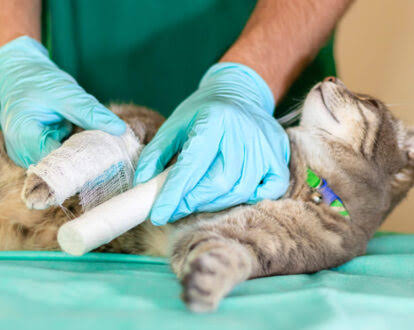
You do not plan for a pet emergency. It starts with something small, or what looks small. A dog stops eating. A cat is breathing faster than usual. Your pet gets into something toxic, starts seizing, collapses, or simply seems wrong in a way you cannot explain. In that moment, you are not thinking about systems or credentials. You are trying to keep your head clear while your stomach drops as you search for an animal hospital in Alexandria, VA.
That is why Why Animal Hospitals Are Leaders In Specialized Emergency Care matters in real life, not just on paper. When minutes count, animal hospitals are built to handle unstable patients, fast decisions, and complex treatment under pressure. They do more than offer urgent help. They bring together trained emergency teams, advanced equipment, around the clock monitoring, and access to specialty services that many general clinics do not have.
Animal hospitals are built for emergencies that change by the minute
A routine veterinary visit and an emergency visit do not ask for the same kind of medicine. In a standard appointment, there is time to gather history, run basic tests, and watch symptoms develop. In an emergency, a pet can decline between one breath and the next. That changes everything about how care needs to happen.
Animal hospitals are designed around that reality. Triage comes first. The team identifies who needs oxygen now, who needs fluids now, who may have internal bleeding, shock, heatstroke, poisoning, or a blocked airway. A pet with pale gums, a swollen abdomen, or sudden collapse may need immediate stabilization before anyone can even talk through the full story.
This is one reason specialized emergency veterinary care stands apart. The setting is built for rapid response. The staff is trained to read subtle changes, and the tools are already there. Oxygen cages, blood pressure monitoring, ultrasound, digital imaging, in house lab work, transfusion support, and critical care nursing all shorten the time between concern and treatment.
At a teaching and referral center like the University of Florida emergency and critical care service, emergency medicine is not handled as an add on. It is a dedicated service with the staff and systems to manage trauma, poisoning, respiratory distress, and severe illness.
Specialized emergency care protects pets when the case is not simple
Some emergencies are obvious. A hit by car injury, uncontrolled bleeding, or active seizures leave little doubt. Others are messy and easy to underestimate. A dog vomits a few times and becomes quiet. A cat hides and stops using the litter box. A puppy has diarrhea and then suddenly crashes from dehydration or low blood sugar. The problem is not just the symptom you can see. The problem is what may be happening underneath.
Animal hospitals lead in these moments because they are used to unstable, layered cases. A vomiting dog may also have a foreign body, electrolyte imbalance, aspiration risk, or a twisted stomach. A cat in respiratory distress may need imaging, oxygen support, sedation, and careful handling all at once. General practice teams do excellent work, but many are not staffed or equipped for prolonged critical monitoring or advanced intervention after hours.
This is where the phrase emergency animal hospital care means something concrete. It means your pet can be assessed, stabilized, tested, and treated in one place, often without losing time to outside referrals. If surgery, intensive monitoring, or specialist input is needed, the system is already in motion.
Prepared emergency systems reduce risk for pets and panic for owners
When people are scared, delays happen. You may second guess yourself, wait for morning, or hope symptoms pass. That is human. It is also risky. Many animal emergencies worsen quietly before they become dramatic. Heat illness, toxin exposure, urinary blockages, bloat, and internal bleeding can all move fast.
National guidance from the USDA animal emergencies resource reflects the same principle. Preparation matters before the crisis hits. Knowing where to go, what counts as an emergency, and how to move quickly can protect animals during both personal emergencies and larger disasters.
Financial stress is part of this too. Emergency care can be expensive, and that reality weighs on families. Still, delayed care often becomes more costly because the pet is sicker by the time treatment starts. Earlier stabilization can reduce complications, shorten hospitalization, and improve the chance of recovery.
Animal hospital emergency care offers clear advantages over waiting or limited urgent care
| Situation | Waiting at Home | General Urgent Visit | Animal Hospital Emergency Care |
| Breathing trouble | High risk of rapid decline | May need transfer for oxygen and monitoring | Immediate triage, oxygen support, imaging, critical monitoring |
| Possible toxin ingestion | Symptoms may appear late | Basic assessment may be available | Decontamination, lab work, IV support, seizure management if needed |
| Hit by car or major trauma | Internal injuries can be missed | Limited stabilization in some settings | Shock treatment, imaging, pain control, surgery access |
| Repeated vomiting or collapse | Dehydration and shock can worsen fast | May handle mild cases | Full workup, fluid therapy, ultrasound, overnight observation |
The table shows what pet owners feel in the moment. The difference is not convenience. It is capacity. An animal hospital is structured to respond when the case turns serious, or when it already is.
Three steps you can take before an emergency gets worse
- Learn your pet’s red flag symptoms. Trouble breathing, repeated vomiting, seizures, collapse, pale gums, swollen abdomen, inability to urinate, toxin exposure, and severe bleeding all need prompt attention. If your pet seems painful, weak, or suddenly unlike themselves, take that change seriously.
- Identify an animal hospital before you need one. Save the address and phone number of the nearest emergency facility in your phone. Share it with everyone in the household. During a crisis, even five lost minutes can feel endless.
- Bring clear information, not a perfect explanation. If you know what your pet ate, when symptoms started, what medications they take, or what changed today, bring that. If you do not know, go anyway. Emergency teams do not need a polished story to start helping.
Fast access to specialized emergency care gives pets a stronger chance
You are not overreacting when your pet seems seriously unwell. You are responding to the fact that animals hide pain, symptoms shift fast, and emergencies rarely arrive in a tidy way. Animal hospitals lead in emergency care because they are built for the hard cases, the uncertain cases, and the cases that cannot wait.
If your pet is showing signs of distress, seek emergency help right away. Quick action can make treatment simpler, recovery smoother, and outcomes better.
