

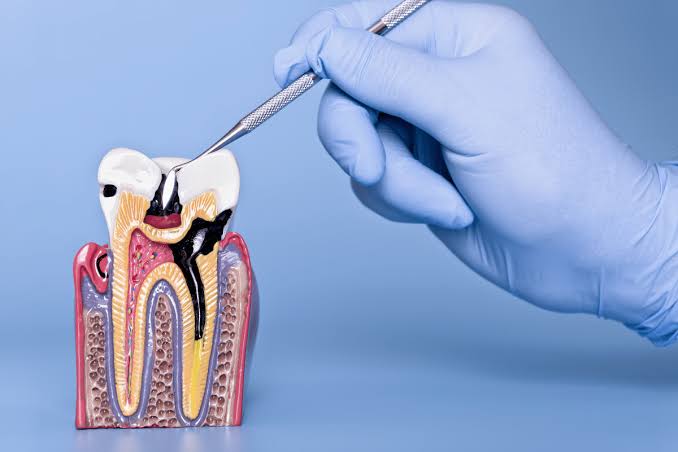
You might be feeling a mix of relief and worry right now. Relief because you finally went through gum treatment and did something important for your health, like getting crowns for teeth in Wichita falls. Worry because a quiet question keeps popping up in your mind. “What if the disease comes back? Did I do all of this for nothing?”end
That tension is very common. Gum disease often creeps in slowly and quietly. Maybe it started with bleeding when you brushed, or a strange taste in your mouth, or your hygienist gently saying, “Your gums are more inflamed than they should be.” After treatment, you want to believe the problem is behind you. At the same time, you know your gums did not get into trouble overnight, and you wonder what it really takes to keep them healthy.
The short version is this. Gum treatment is the reset. Maintenance therapy after gum treatment is what keeps that reset from slipping away. Without regular follow up care, gum disease has a strong tendency to return. With the right maintenance plan, your chances of staying stable and avoiding more surgery, tooth loss, and health problems go up dramatically.
So where does that leave you right now, as someone who has already done the hard part and wants to protect that investment of time, money, and energy?
Why does gum disease come back even after treatment?
To understand why ongoing care matters, it helps to know what you are up against. Gum disease, or periodontal disease, is a chronic infection driven by bacteria that live in sticky plaque around your teeth. According to the Centers for Disease Control and Prevention, almost half of adults in the United States have some form of periodontal disease. Many do not feel pain until it is advanced.
Your recent gum treatment, whether it was deep cleaning, scaling and root planing, or surgery, removed hardened deposits and reduced infection. That was essential. But the bacteria that cause gum disease are part of your natural mouth environment. They return within hours. The question is not whether they come back. The question is how quickly they organize into a harmful community again.
This is where the frustration often shows up. You may think, “I brush, I floss, I did the treatment. What more can I realistically do?” You might also feel a bit resentful that something you cannot even see clearly has so much power over your health and your wallet.
Because of this tension, it helps to see gum disease less as a “one and done” problem and more as a long term condition, similar to high blood pressure or diabetes. Those conditions can be controlled, sometimes extremely well, but they need monitoring and tune ups. Your gums are no different.
What happens if you skip maintenance therapy after gum treatment?
Imagine two people who both finish gum treatment on the same day.
Person A feels better, the bleeding slows down, and they think, “Great, that’s fixed.” They go back to regular cleanings once or twice a year and stretch those appointments out when life gets busy. At home they brush, but flossing becomes less consistent. Within a year or two, pockets around the teeth start to deepen again. Bone quietly continues to shrink. By the time they notice loose teeth or bad breath, the damage is more advanced. Treatment now is more complicated and more expensive.
Person B finishes treatment and enrolls in periodontal maintenance therapy. They see the hygienist every 3 to 4 months. During these visits, the team cleans deeper around the teeth, checks gum pocket depths, watches for bleeding, and reinforces home care. If a small area starts to slip, it is caught early, when a minor adjustment or local treatment can stabilize it. Five years later, their gums are still fairly stable. They may have small ups and downs, but no major surprises.
These are not rare stories. Long term research has shown that patients who stay on regular maintenance have far better outcomes and keep more teeth. For example, a study published in the Journal of Clinical Periodontology found that people who maintained regular periodontal care had significantly less tooth loss compared with those who did not follow a maintenance schedule.
So, what does all of this mean for you personally? It means the treatment you just completed gave you a fresh start. Maintenance is what protects that start from slowly slipping away.
Is professional gum maintenance really that different from “just brushing better”?
You might be wondering if you can simply step up your home care and skip the extra dental visits. It is a fair question, especially if you are balancing work, family, and finances.
Home care is absolutely essential. You are the one who lives with your mouth every day, not your dentist. However, even the most careful brushing and flossing cannot reach every area that needs attention after gum disease. Once pockets form around teeth, they become small hiding places for bacteria. These pockets can be too deep or too narrow for normal tools at home.
Professional maintenance visits are designed to reach into those spaces, remove buildup, and measure how your gums are responding over time. They also give your dental team a chance to adjust your plan if your health changes, if you start a new medication that affects your gums, or if stress and life events make home care harder for a while.
To make this more concrete, it may help to compare what happens when you rely only on home care versus when you commit to structured maintenance after gum treatment.
| Approach | What It Looks Like | Short Term Effect | Long Term Risk |
| Home care only after treatment | Brushing and flossing at home, standard cleanings once or twice a year, no specific periodontal follow up | Initial improvement in bleeding and tenderness, feeling of “being done” with treatment | Higher chance of gum pockets deepening again, more bone loss, increased risk of tooth loss and future surgery |
| Structured periodontal maintenance | Professional cleanings every 3 to 4 months, pocket measurements, targeted cleaning of deeper areas, ongoing coaching | More stable gums, less bleeding, better control of bacteria and inflammation | Lower risk of disease progression, better chance of keeping teeth, fewer major procedures over time |
Research supports this difference. A review in the Journal of Evidence-Based Dental Practice highlights how consistent supportive periodontal care reduces the return of deep pockets and improves long term stability.
How can you make maintenance therapy realistic in your everyday life?
It is one thing to understand why ongoing gum disease maintenance matters. It is another thing to fit it into real life, with schedules, budgets, and sometimes fear from past experiences. So what can you do right now that is both practical and effective?
- Build a clear maintenance schedule with your general dentist
Ask your general dentist or hygienist to spell out your maintenance plan in writing. How often should you come in. Which areas are most at risk. What signs should make you call sooner. For many people who have had moderate to advanced gum disease, visits every 3 to 4 months are recommended instead of every 6 months.
Having a specific plan reduces anxiety. You are not just “hoping it stays better.” You are following a structure that is based on your actual condition.
- Upgrade your daily routine in small, sustainable ways
You do not need a drawer full of gadgets. You do need consistency. Focus on a few key habits that you can keep up even on your busiest days.
For example, use a soft toothbrush for two full minutes twice a day, angle the bristles gently toward the gumline, and clean along the gum edge, not just the chewing surfaces. Add flossing or an interdental brush at least once a day. If your dentist suggests an antimicrobial mouth rinse or a water flosser because of deeper pockets, use it as directed and ask for a check in after a few weeks to see how you are doing.
Think of this as protecting the work you already paid for. Every minute you spend at the sink is helping to avoid more invasive care later.
- Watch for early warning signs and speak up quickly
Maintenance therapy works best when small changes are caught early. Between visits, pay attention to warning signs such as new bleeding when you brush, puffiness or redness that does not settle, persistent bad breath, or a tooth that feels slightly different when you bite.
You do not need to wait until it hurts. Call your dental office and say, “Something feels different and I have a history of gum disease. Can I be checked sooner.” Most teams would much rather see you early for a simple adjustment than later for another round of major treatment.
Moving forward with confidence after gum treatment
You have already done something important by going through gum treatment. It took courage, time, and resources. It is completely understandable to feel tired of dental visits and to wish this chapter were simply over. At the same time, you now have an opportunity to protect that investment and give yourself a much better chance of keeping your teeth, your comfort, and your confidence long term.
Maintenance therapy after gum treatment is not a punishment for having had gum disease. It is a safety net. It is how you and your dental team work together to prevent small issues from becoming big ones. With a clear plan, realistic home care, and regular check ins, you can move from feeling reactive and worried to feeling watched over and supported.
You deserve a mouth that does not bleed when you eat, does not make you self conscious when you talk, and does not constantly sit in the back of your mind as “the next problem waiting to happen.” With steady gum disease maintenance, that outcome is not only possible. It is very realistic.
